
Extreme weather can put heavy pressure on every part of a home, but the roof often receives the strongest impact. High winds, heavy rain, hail, intense heat, snow, and wildfire exposure can damage roofing materials and allow water to enter the building. Resilient Roofs for Extreme Weather Areas Choosing the right roof design and installation method can help homeowners reduce these risks.
This guide from DecoratorAdvice explains resilient roofs for decoratoradvice extreme weather areas and the features that can help a roof handle difficult conditions. The goal is not simply to choose a strong roofing material. A resilient roof also needs proper installation, secure connections, good drainage, suitable underlayment, and regular maintenance.
Why Roof Resilience Matters in Extreme Weather?
A roof protects the structure, insulation, walls, furniture, and electrical systems inside a home. When severe weather damages the roof covering, rain can enter quickly and cause further problems. Strong winds can also lift roofing materials when fasteners, edges, or seals fail.
FEMA guidance shows that roof performance depends on both the roofing product and the way workers install the complete roof system. For example, correct fastening and a sealed roof deck can reduce water intrusion after wind damages the main roof covering.
For homeowners researching resilient roofs for decoratoradvice extreme weather areas, this means that buying an expensive material alone does not guarantee protection. The entire roof system should match the local weather risks and building requirements. Homeowners can also explore decoradtech home devices when looking at smart solutions that may support modern home safety and monitoring needs.
How Extreme Weather Can Damage a Roof?
Different weather events create different types of roofing stress. Wind can create uplift forces that pull shingles, panels, tiles, and flashing away from the roof structure. Heavy rain can expose weak seams, damaged flashing, and poor drainage areas.
Hail can crack or damage some roofing materials, while intense sunlight can cause materials to age over time. Snow and ice can add weight and create moisture problems when water cannot drain properly.
A resilient roof should therefore respond to the hazards that occur most often in its location.
Choosing Roofing Materials for Severe Weather
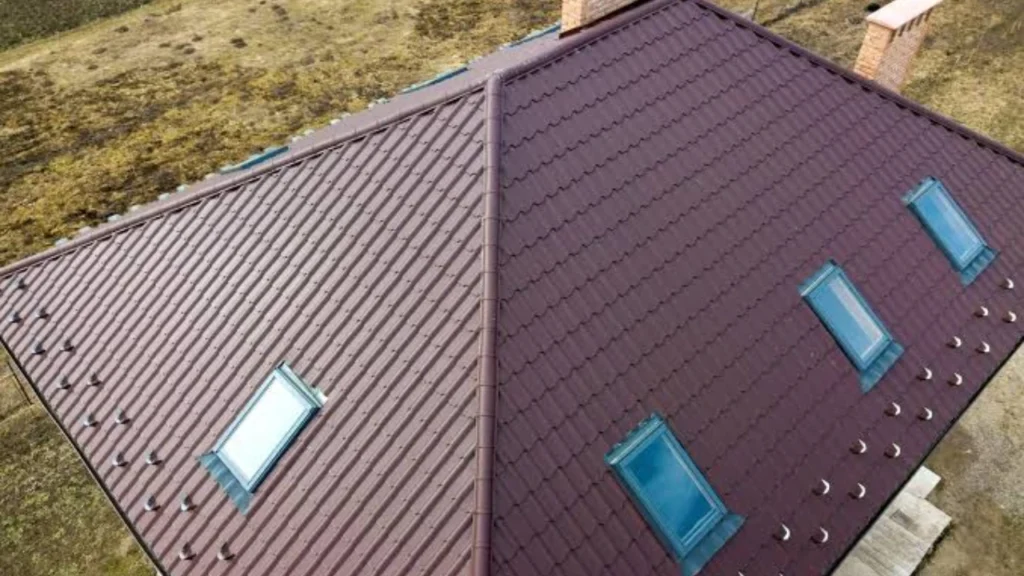
Roofing materials perform differently under different weather conditions. Homeowners should consider wind ratings, impact resistance, fire performance, expected maintenance, local climate, and installation requirements before making a decision.
| Roofing Material | Weather Considerations | Common Advantage |
|---|---|---|
| Metal roofing | Can perform well when correctly attached and detailed | Strong panels and long service potential |
| Asphalt shingles | Performance depends heavily on product rating and installation | Wide range of styles and costs |
| Concrete tiles | Need suitable attachment in high-wind locations | Durable and attractive |
| Clay tiles | Require careful fastening and installation | Useful in many hot climates |
| Synthetic roofing | Performance varies by product | Lightweight design options |
| Fire-rated roofing | Useful in wildfire-prone locations | Can provide added fire resistance |
FEMA recommends selecting roofing products and assemblies that meet the wind demands of the location rather than relying only on a long product warranty. A longer warranty does not automatically mean that a product can resist higher wind speeds.
Metal Roofs for High-Wind and Heavy-Rain Areas
Metal roofing can be a practical choice for areas that experience strong storms, heavy rain, or repeated weather exposure. However, the quality of the installation matters as much as the material.
Roof panels need appropriate fasteners, clips, spacing, and edge details for the expected wind loads. FEMA guidance also highlights the importance of properly securing metal roof edges because high winds can lift and peel poorly connected edge components.
Homeowners should ask contractors which tested roofing assembly they plan to use. They should also confirm that the fastening method follows the manufacturer’s instructions and local building requirements.
The Importance of a Strong Roof Deck
The roof covering receives the first impact from severe weather, but the roof deck also plays an important role. A damaged or poorly secured deck can allow water to enter the building even when some roofing material remains in place.
A sealed roof deck can provide an additional layer of protection when high winds remove or damage parts of the primary roof covering. FEMA notes that sealed roof decks can significantly reduce water intrusion in tested conditions.
For homeowners considering resilient roofs for decoratoradvice extreme weather areas, this feature deserves attention because roof resilience involves more than the visible outer layer.
Roof Design and Wind Resistance
Roof shape can influence how wind moves around a building. Corners, edges, ridges, and roof overhangs can experience significant wind forces during severe storms.
The connection between the roof covering, sheathing, framing, walls, and foundation also matters. A strong roof should work as part of a connected structural system rather than as an isolated component.
FEMA guidance notes that roof corners and perimeters can experience greater uplift forces than the central field of a roof. This makes proper fastening and edge protection especially important. A qualified professional can determine the appropriate design and connection details based on local wind requirements.
Roofing for Heavy Rain and Flood-Prone Areas
Rain can cause serious roof problems when water cannot leave the surface quickly. Gutters, downspouts, valleys, flashing, and roof slopes all help direct water away from the building.
Roof penetrations around vents, chimneys, skylights, and pipes also require careful waterproofing. Small gaps can become major sources of leaks during prolonged storms.
In flood-prone locations, homeowners should remember that roof protection is only one part of wider flood-resistant construction. Local building requirements can determine which materials and construction methods apply to a particular property.
Roofing for Hot and Sunny Climates
Extreme heat and strong sunlight can gradually affect roofing materials. A roof exposed to high temperatures may experience repeated expansion and contraction, while ultraviolet exposure can contribute to material aging.
Roof color and material selection can also affect heat absorption. Proper attic ventilation and insulation can help manage heat inside the building, although these systems must be designed correctly.
Homeowners should select products that manufacturers approve for the expected climate. A roof designed for a mild climate may not provide the same service in a region with extreme heat.
Roofing in Wildfire-Prone Areas
Wildfire resilience requires attention to the roof covering as well as openings and areas where embers can collect. Burning embers can travel through the air and reach homes before the main fire arrives.
Roofing materials with appropriate fire classifications can help reduce ignition risk, but homeowners should consider the complete building system. Roof edges, vents, gutters, and nearby combustible materials also require attention.
The U.S. Fire Administration recommends preparing structures for different forms of wildfire exposure, including embers, radiant heat, and direct flame exposure.
Why Installation Quality Matters?
A resilient roofing product can perform poorly when workers install it incorrectly. Fasteners, flashing, underlayment, seams, edges, and roof penetrations all need careful attention.
FEMA investigations have repeatedly identified installation problems as an important cause of roofing damage during high-wind events. Properly installed mechanical or adhesive attachment methods can improve the performance of certain tile roofing systems.
When selecting a contractor, homeowners should ask about experience with the specific weather risks in their area. They should also request information about product ratings, installation methods, permits, and local code requirements.
Maintenance Keeps a Resilient Roof Strong
Even a well-designed roof needs regular care. Small problems can become expensive repairs when homeowners ignore them for long periods.
A basic roof inspection should look for damaged shingles, loose panels, cracked tiles, blocked gutters, damaged flashing, exposed fasteners, and signs of water entry. After a major storm, a professional inspection can help identify problems that may not be visible from the ground.
| Maintenance Task | Suggested Purpose |
|---|---|
| Check roof covering | Find cracks, missing pieces, or loose materials |
| Clean gutters | Help rainwater drain correctly |
| Inspect flashing | Reduce leakage around roof openings |
| Check roof edges | Identify loose or damaged components |
| Inspect after storms | Find weather-related damage early |
| Review attic area | Look for moisture or water stains |
Regular maintenance does not make a roof completely storm-proof, but it can help preserve the performance of the roofing system.
How to Plan a Weather-Resilient Roof?
The first step involves identifying the main hazards in the local area. A coastal home may need strong wind and rain protection, while a home in a hail-prone region may need greater impact resistance.
The next step involves selecting a suitable roofing assembly. This includes the roof covering, underlayment, deck, flashing, fasteners, ventilation, drainage, and edge details.
This approach makes resilient roofs for decoratoradvice extreme weather areas more than a material choice. It turns the roof into a complete weather protection system.
Cost Versus Long-Term Roof Performance
The cheapest roofing option may not always provide the lowest long-term cost. Frequent repairs, storm damage, water intrusion, and early replacement can increase the total expense.
However, homeowners should not assume that the most expensive product will automatically provide the best weather protection. The correct product rating, complete assembly, installation quality, and local climate should guide the decision.
A practical budget should include the roof covering, underlayment, flashing, ventilation, labor, structural repairs, drainage improvements, and required permits. Comparing complete roofing systems gives homeowners a clearer view of the actual project cost.
Final Thoughts
Extreme weather is becoming an important consideration when homeowners plan new roofs or replace damaged ones. A resilient roof should match the local climate, building design, weather risks, and applicable construction requirements.
The best approach combines suitable materials with strong connections, proper drainage, quality installation, and regular maintenance. No roofing system can prevent every type of storm damage, but thoughtful design can reduce common points of failure.
For readers exploring resilient roofs for decoratoradvice extreme weather areas, the key lesson is simple: look at the complete roof system instead of choosing materials by appearance or price alone. Research local hazards, compare tested products, use qualified installers, and maintain the roof regularly.
Pingback: Arizona Sports Betting Undergoing Transformative Shift