
Home renovation can change the way a house looks, feels, and works. A good renovation does more than add new paint or furniture. It can improve comfort, storage, safety, energy use, and the daily experience of living in the home. However, renovation also requires careful planning because poor decisions can increase costs and create delays.
The decoradhouse renovation tips from decoratoradvice approach focuses on making practical improvements while keeping the design simple and useful. Homeowners can start by checking the condition of the property, setting a realistic budget, and deciding which areas need the most work. Planning the order of the work can also prevent unnecessary repairs and extra spending.
Why Home Renovation Planning Matters?
A renovation project becomes easier when you know what you want before construction begins. Start by checking each room and writing down the problems that need attention. Look for damaged walls, old flooring, poor lighting, leaking fixtures, limited storage, and outdated electrical systems.
Planning also helps you decide which changes matter most. Major work should normally come before decorative work. For example, repairing a roof or plumbing problem makes more sense before installing new wallpaper.
The U.S. Department of Energy recommends a whole-home approach because different parts of a house can affect energy use, comfort, durability, and indoor air quality. Homeowners who need more renovation guidance can also use contact us decoratoradvice to seek additional information and support for their home improvement questions.
Set a Renovation Budget Before Starting
A clear budget gives your renovation project a financial direction. Estimate the cost of materials, labor, transportation, fixtures, tools, and other project needs. You should also leave some money for unexpected repairs.
Older homes can hide problems behind walls, floors, and ceilings. A small repair can sometimes become larger after construction begins. A reserve fund can help you manage these surprises without stopping the entire project.
| Renovation Area | Common Expenses |
|---|---|
| Kitchen | Cabinets, counters, appliances, flooring, lighting |
| Bathroom | Tiles, fixtures, plumbing, ventilation, storage |
| Bedroom | Flooring, paint, wardrobes, lighting, furniture |
| Living Room | Flooring, wall finishes, lighting, furniture |
| Exterior | Doors, windows, paint, roofing, landscaping |
| Electrical | Wiring, switches, outlets, lights, safety upgrades |
Prioritize Repairs Before Decoration
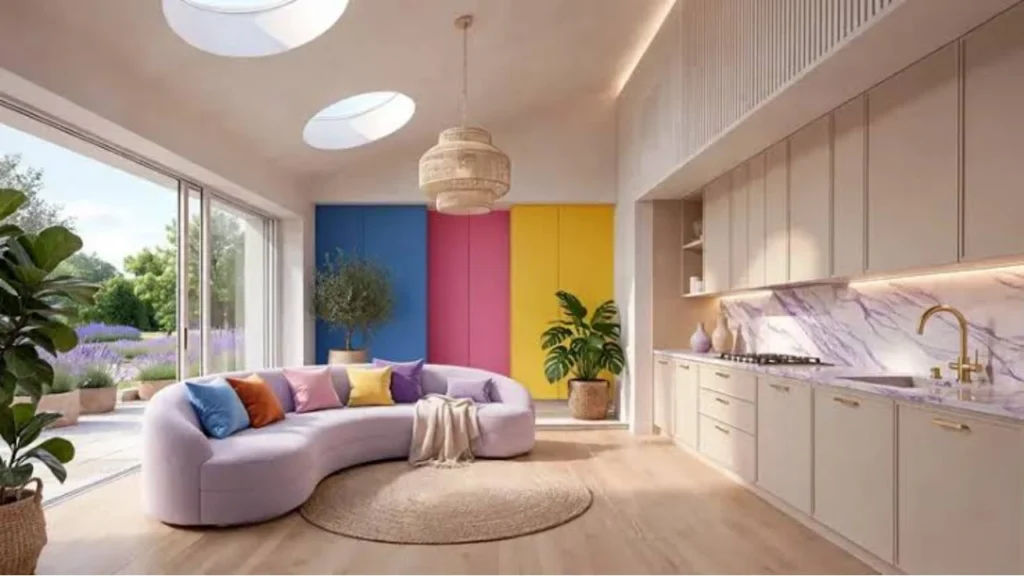
One of the most useful decoradhouse renovation tips from decoratoradvice is to solve important building problems before making cosmetic changes. A fresh wall color cannot solve moisture damage or faulty wiring.
Check the roof, walls, plumbing, drainage, electrical system, doors, windows, and ventilation. If you find serious structural or technical problems, ask a qualified professional to inspect them before work begins.
Planning the work in the correct order can reduce rework. It can also help contractors understand what needs to happen first and what can wait until later.
Create a Functional Room Layout
A renovation should improve how people use a room. Think about movement, furniture placement, storage, natural light, and access to important areas.
For example, a kitchen should provide enough space for preparing food and moving between major work areas. A bedroom should allow comfortable movement around the bed. A living room should have enough open space for people to walk without moving furniture.
Do not make a layout change simply because it looks attractive in a photograph. Your home should match your actual lifestyle and daily needs.
Improve Natural Light and Artificial Lighting
Lighting can make a major difference during a renovation. Start by considering how much natural light enters each room during the day. Clean windows, lighter wall colors, mirrors, and suitable window treatments can help a room feel brighter.
Artificial lighting should also serve different purposes. General lighting can illuminate the whole room, while task lighting can help with cooking, reading, studying, or working.
Energy-efficient LED lighting can also reduce electricity use. The Department of Energy notes that lighting efficiency is one part of a broader whole-home approach to reducing energy demand.
Upgrade Kitchen Spaces Carefully
The kitchen often becomes one of the most important parts of a renovation. It combines storage, plumbing, electrical systems, appliances, lighting, and work surfaces.
Before buying cabinets, measure the available space carefully. Think about where you will place the refrigerator, sink, cooker, microwave, and other frequently used appliances.
Good kitchen design does not require expensive decoration. A practical layout, suitable lighting, useful storage, and durable surfaces can create a strong result.
Make Bathroom Renovation Practical
Bathrooms need special attention because water and moisture can damage materials when the space lacks proper ventilation or drainage.
Check plumbing before installing new fixtures. Look for leaks around sinks, toilets, showers, and pipes. Good ventilation can also help manage moisture and improve indoor conditions.
Choose bathroom materials based on safety and maintenance. Non-slip flooring, suitable lighting, practical storage, and easy-to-clean surfaces can make the room more comfortable.
Improve Energy Efficiency
Energy efficiency should be considered during renovation because the building envelope, windows, insulation, lighting, heating, cooling, and appliances can work together.
The Department of Energy explains that a whole-house approach considers how these different systems interact. Improvements to insulation and air sealing can also support comfort and reduce energy waste.
Depending on your home and climate, you may consider better insulation, sealing air leaks, efficient lighting, suitable windows, and efficient heating or cooling equipment.
| Improvement | Main Purpose |
|---|---|
| Insulation | Helps control heat transfer |
| Air sealing | Reduces unwanted air movement |
| LED lighting | Uses less electricity than older lighting types |
| Efficient windows | Can reduce unwanted heat transfer |
| Efficient appliances | Can lower energy consumption |
| Ventilation | Helps manage indoor air and moisture |
Select Windows According to Your Climate
Windows affect comfort, daylight, ventilation, and energy use. When replacing windows, consider the climate where you live instead of choosing a product only because it looks modern.
The Department of Energy notes that window performance depends on factors such as the U-factor and solar heat gain coefficient, and the suitable choice can vary by climate.
Before purchasing new windows, compare their performance information and installation requirements. A professional can also help identify suitable options for your particular property.
Think About the Exterior Too
Renovation should not stop at the front door. The exterior protects the house from weather and also creates the first impression of the property.
Inspect the roof, gutters, windows, doors, walls, pathways, and drainage. Exterior paint can refresh the appearance, but damaged surfaces should receive repairs first.
Landscaping can also contribute to comfort. The Department of Energy notes that suitable landscaping can provide shade and act as a windbreak, depending on the property’s climate and surroundings.
Decide Which Work Needs Professionals
Some renovation tasks are suitable for experienced homeowners, while others require trained professionals. Electrical, plumbing, structural, roofing, and major mechanical work can involve safety risks and local requirements.
The Department of Energy’s remodeling guidance notes that major renovations often require qualified contractors, especially for specialized systems such as plumbing and electrical work.
Before hiring someone, ask about experience, previous work, written estimates, timelines, materials, and any required local approvals.
Avoid Changing Everything at Once
A complete home makeover can sound exciting, but changing every room at the same time can create financial and practical pressure.
If your budget is limited, divide the renovation into stages. Start with urgent repairs, then improve important functional areas, and finish with decorative updates.
This approach can make it easier to monitor spending and learn from each stage before moving to the next one.
Balance Trends With Timeless Design
Modern design trends can provide inspiration, but trends change quickly. A renovation should still feel comfortable after several years.
Use long-lasting finishes for expensive or difficult-to-replace features. You can introduce current trends through smaller items such as cushions, artwork, rugs, curtains, and accessories.
This gives you more flexibility when your preferences change.
Create a Renovation Timeline
A renovation timeline helps everyone understand the order of the work. The exact sequence depends on the project, but major construction normally needs to happen before final decoration.
For example, structural changes can come before electrical and plumbing work, while wall finishes and furniture should normally come later.
| Project Stage | Main Focus |
|---|---|
| Planning | Goals, measurements, budget, design |
| Preparation | Approvals, materials, contractor arrangements |
| Major Repairs | Structural, roof, plumbing, electrical work |
| Installation | Cabinets, flooring, fixtures, windows |
| Finishing | Paint, lighting, hardware, decoration |
| Final Check | Repairs, cleaning, safety, project review |
Keep the Home Comfortable During Renovation
If you continue living in the house during construction, plan how you will use the property while each area is unavailable.
You may need temporary cooking, sleeping, storage, or washing arrangements. Keep important pathways clear and separate construction areas from living spaces where possible.
Good communication with workers can also reduce confusion. Confirm changes before construction rather than making major decisions after materials have already been installed.
Final Thoughts
A successful renovation starts with practical planning rather than expensive decoration. Homeowners should understand their property’s condition, set a realistic budget, choose suitable materials, improve functionality, and consider energy performance.
The decoradhouse renovation tips from decoratoradvice approach can be used as a simple framework for organizing these decisions. Focus first on safety and repairs, then improve layouts, storage, lighting, materials, and appearance.
The most useful renovation is one that works well for everyday life. A comfortable, durable, efficient, and organized home can remain useful long after current design trends have changed. Careful planning also helps reduce unnecessary work and makes it easier to control the renovation budget.
Pingback: DecoradTech Home Devices Smart Home Technology