
A terrace can become much more than an empty rooftop when you plan its decoration with comfort, beauty, and function in mind. A thoughtful design can create a peaceful place for morning tea, family gatherings, evening conversations, or quiet relaxation. The idea behind terrace decoration decadgarden decoratoradvice focuses on combining greenery, comfortable furniture, useful lighting, attractive colors, and practical outdoor materials. Current terrace design guidance also recommends planning the space around sunlight, drainage, wind, privacy, and the activities you want to enjoy there.
What Is Terrace Decoration Decadgarden Decoratoradvice?
Terrace decoration decadgarden decoratoradvice can be understood as a practical approach to creating an outdoor area that feels like a natural extension of the home. Instead of filling the terrace with random furniture and decorations, this approach encourages homeowners to create a clear design with a balanced arrangement.
The DecadGarden idea gives special attention to greenery, natural textures, comfortable seating, decorative lighting, and useful outdoor features. For readers exploring decoratoradvice author abbukkhar kangharnnia, these simple design principles can also provide useful inspiration for creating a balanced outdoor space. A terrace can look attractive without becoming crowded.
How to Plan a Terrace Before Decorating?
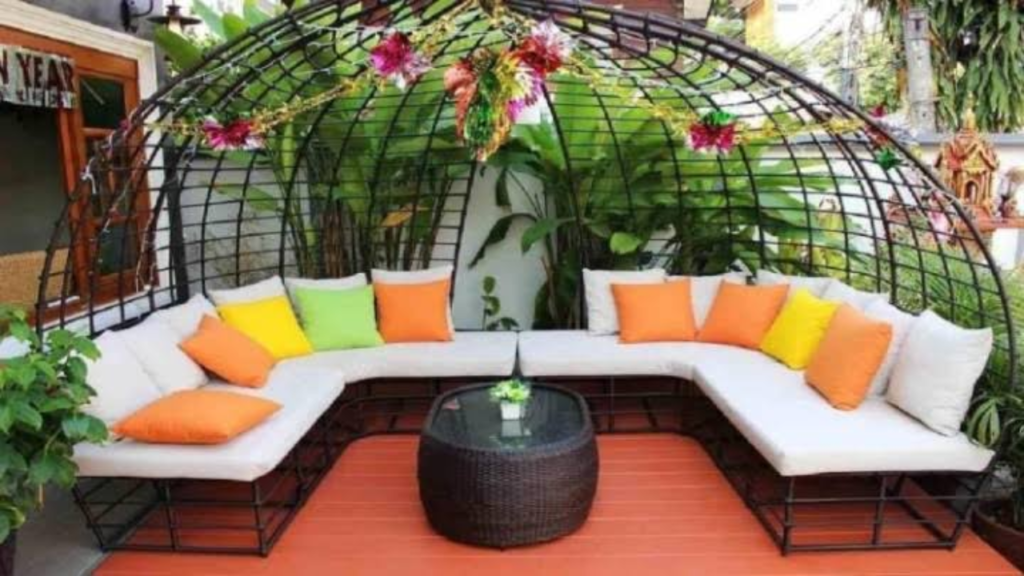
Good decoration starts with planning rather than shopping. First, measure the available floor area and identify doors, stairs, walls, railings, drains, and other fixed features. These details help you understand how much usable space remains for furniture and plants.
You should also observe the terrace at different times of the day. Notice which areas receive direct sunlight and which remain shaded. Wind can also affect furniture, plants, curtains, and lightweight decorations, especially on open rooftops.
A simple planning table can help you make better decisions before starting the project.
| Terrace Feature | What to Consider | Practical Choice |
|---|---|---|
| Sunlight | Morning and afternoon exposure | Shade-loving or sun-loving plants |
| Furniture | Available floor space | Compact outdoor furniture |
| Plants | Pot size and maintenance | Easy-care plants |
| Lighting | Evening activities | Outdoor-rated LED lights |
| Privacy | Nearby buildings and views | Screens or tall plants |
| Flooring | Water and weather exposure | Durable outdoor surfaces |
| Storage | Cushions and accessories | Weather-resistant storage |
Choosing the Right Furniture for Your Terrace
Furniture often becomes the main visual feature of a terrace, so choose pieces that match both the space and your lifestyle. Outdoor furniture should also handle sunlight, moisture, dust, and changing weather conditions.
Larger terraces can support sofas, loungers, dining tables, benches, or separate seating areas. However, avoid filling every empty corner with furniture. Leaving enough walking space makes the terrace feel larger and easier to use.
Weather-resistant materials can provide better long-term performance. Outdoor furniture made from treated wood, suitable metals, or weather-resistant synthetic materials can work well when you choose products designed for outdoor conditions.
Use Plants to Create a DecadGarden Feeling
Plants can give a terrace its garden-like character. They add color, texture, freshness, and visual interest without requiring major construction. You can place plants around seating areas, along walls, beside entrances, or near railings.
The right plants depend on sunlight, temperature, wind, pot size, and the amount of care you can provide. Do not choose plants only because they look attractive in photographs. Instead, select varieties that can comfortably grow in your terrace conditions.
A mixture of plant heights can create a more natural appearance. Tall plants can occupy corners, medium plants can sit beside furniture, and smaller plants can decorate tables or shelves.
Create Functional Zones on a Large Terrace
A large terrace can sometimes feel empty because furniture sits randomly across the space. Creating functional zones gives the terrace a clear purpose and makes the design easier to understand.
You might create one lounge area for relaxing, another area for dining, and a separate garden section for plants. A small reading corner can also work well if you have enough space. Zoning does not always require walls or permanent construction. Rugs, planters, furniture placement, lighting, and changes in flooring can visually separate different sections.
Choose Colors That Make the Terrace Feel Balanced
Color has a strong effect on how an outdoor space feels. Light colors can make a smaller terrace appear more open, while darker shades can create a stronger and more dramatic atmosphere.
A simple palette often produces a cleaner result. You could combine beige, cream, white, brown, or gray with green plants. Then add one stronger accent color through cushions, planters, rugs, or decorative objects. Natural colors work particularly well with a garden-inspired design because they connect furniture and decoration with the surrounding greenery. Avoid using too many unrelated colors because they can make a small terrace appear busy.
Add Lighting for Evening Terrace Decoration
Lighting can transform a terrace after sunset. A space that looks simple during the day can become warm and inviting when you use lighting at different levels.
String lights can create a relaxed atmosphere around railings, walls, pergolas, or seating areas. Lanterns can add decorative interest, while small spotlights can highlight plants, artwork, walls, or architectural features.
The terrace decoration decadgarden decoratoradvice approach works particularly well with layered lighting because different lights can perform different jobs. Current terrace guidance commonly separates lighting into ambient, task, and accent purposes.
Add Privacy Without Making the Terrace Feel Closed
Privacy can make a terrace much more comfortable, especially in busy neighborhoods or apartment buildings. However, a large solid wall may make the area feel smaller.
Instead, consider using tall plants, trellises, outdoor curtains, bamboo-style screens, or decorative panels. These solutions can provide privacy while also becoming part of the overall decoration. Plants are particularly useful because they serve more than one purpose. They can create a natural boundary, soften hard surfaces, and improve the visual connection between the terrace and garden theme.
Select Flooring That Supports the Overall Design
Terrace flooring forms the foundation of the decoration. It covers a large visual area, so its color and texture can strongly influence the final appearance.
Outdoor tiles, stone, treated wood, composite surfaces, and other suitable materials can create different styles. Before selecting flooring, consider water drainage, cleaning requirements, heat exposure, and maintenance.
For a small terrace, avoid overly complicated patterns. A simple floor combined with greenery and attractive furniture can create a more spacious appearance.
How to Decorate a Small Terrace?
A small terrace needs careful space management because large furniture can quickly block movement. Start with the most important function and choose furniture around that need.
A narrow bench can provide seating along a wall, while a small folding table can provide a surface for drinks or meals. Hanging plants can add greenery without occupying floor space. Use vertical surfaces whenever possible. Shelves, wall planters, hanging lights, and decorative panels can add visual interest while preserving the floor.
Light colors can also help the space feel more open. IKEA’s terrace guidance similarly notes that light color palettes can make small outdoor areas appear more spacious.
How to Decorate a Large Rooftop Terrace?
Large terraces provide more freedom, but they also require stronger planning. An oversized space can look unfinished when furniture and decorations do not relate to each other.
Start by dividing the terrace into practical zones. You might include a lounge, dining area, garden section, and shaded relaxation space. Large planters can help define boundaries between these areas. A pergola or shade structure can create a comfortable section for daytime use, while outdoor lighting can make the terrace useful during the evening.
Budget-Friendly Terrace Decoration Tips
You do not need an expensive renovation to improve a terrace. Small changes can produce noticeable results when you arrange them carefully.
Start with the items that provide the greatest practical value. Comfortable seating, suitable lighting, greenery, and basic shade can improve the space more than buying many decorative objects.
The terrace decoration decadgarden decoratoradvice concept supports this gradual approach because you can develop the terrace in stages. Start with the basic layout, add greenery, improve lighting, and then introduce decorative details as your budget allows.
Common Terrace Decoration Mistakes to Avoid
One common mistake involves buying furniture before measuring the space. Large furniture may look attractive in a showroom but leave little room for movement on a small terrace.
Another mistake involves choosing plants without checking sunlight and maintenance needs. A plant that thrives in shade may struggle under strong direct sunlight.
Finally, avoid excessive decoration. A beautiful terrace needs breathing space. A few carefully selected features often create a stronger result than dozens of unrelated objects.
Conclusion
A well-designed terrace can become a valuable part of your home rather than an unused outdoor area. Good terrace decoration combines comfort, practical planning, greenery, lighting, durable materials, and personal style.
The ideas behind terrace decoration decadgarden decoratoradvice provide a useful way to think about the entire space instead of focusing on individual decorations. Plan the layout first, select suitable furniture, introduce plants, improve privacy, and use layered lighting to create atmosphere.
Pingback: Gary Cripps Author at DecoratorAdvice Published Work