A beautiful garden can make your home feel fresh, peaceful, and welcoming. You do not need a huge space or a large budget to create an attractive outdoor area. With the right plants, furniture, lighting, and care, you can turn almost any garden into a pleasant place to relax. The decoradhouse garden tips by decoratoradvice approach focuses on practical ideas that combine garden beauty with easy maintenance.
Garden design starts with understanding the space you already have. Look at the amount of sunlight, soil type, drainage, available space, and nearby structures. These details can guide your plant choices and help prevent common gardening problems.
Plan Your Garden Before Planting
Planning your garden before buying plants can save both time and money. Start by measuring the available space and deciding how you want to use it. You may want an area for flowers, a small sitting space, vegetables, or a pathway.
Think about how the garden looks from inside your home as well. A garden view from a kitchen or living room can become an important part of your home’s overall appearance. Planning these views can help you place attractive plants and features in the right locations.
Create a simple plan on paper before you begin. Mark existing trees, walls, doors, paths, and areas that receive strong sunlight. Then decide where you want new plants, containers, seating, and decorative features. You can also explore decoratoradvice .com partners for additional ideas and resources that may help you plan and improve your outdoor space.
Choose Plants for Your Garden Conditions
One of the most important decoradhouse garden tips by decoratoradvice is to select plants according to your garden conditions. A plant that grows well in one location may struggle in another location.
Check how much sunlight each part of your garden receives during the day. Some plants need full sun, while others perform better in partial shade. You should also check your soil because soil type affects drainage, moisture, and plant growth.
| Garden Condition | Suitable Approach |
|---|---|
| Full sun | Choose plants that tolerate strong sunlight |
| Partial shade | Use plants that can grow with limited direct light |
| Dry soil | Improve soil and choose drought-tolerant plants |
| Wet soil | Improve drainage or choose moisture-loving plants |
| Small garden | Use containers, vertical planting, and compact plants |
| Large garden | Combine trees, shrubs, borders, and open areas |
Testing soil can also provide useful information about its pH and nutrients. Soil conditions help you choose plants that can naturally thrive in the space.
Improve Soil Before Planting
Healthy soil gives plants a better foundation for growth. Before planting, remove weeds, stones, and unwanted debris from the area. You can then improve the soil with suitable organic matter such as garden compost.
Compost can improve soil structure and help create a better environment for plant roots. The RHS recommends adding organic matter when preparing borders, especially where soil has poor structure or difficult drainage.
Avoid changing your entire garden soil without understanding its existing condition. Different plants can grow well in different soil types. Instead, work with the soil you have and choose plants that match its characteristics.
Create Layers With Different Plants
A garden can look more interesting when you combine plants with different heights, shapes, textures, and colors. Taller plants can form a background, while medium plants can fill the middle area. Smaller flowers and ground-cover plants can complete the front.
This layered approach can make a garden feel fuller without using too many plants. It also helps you create visual depth in narrow or small gardens.
You can also combine plants that provide interest during different seasons. Some plants offer flowers in spring, while others provide summer color, autumn foliage, or attractive shapes during winter. Planning for several seasons can keep your garden attractive throughout the year.
Use Containers for Flexible Garden Design
Containers provide an easy way to add plants when you have limited ground space. They work well on patios, balconies, entrances, terraces, and small gardens.
Choose containers with proper drainage so excess water can escape. You can use different sizes to create height and visual variety. Grouping several containers together can create a small plant display without changing the entire garden.
Containers also allow you to move plants when sunlight or weather conditions change. This flexibility makes container gardening useful for beginners who want to experiment with different plants.
Make Small Gardens Feel Larger
Small gardens need smart design because every part of the space matters. One of the decoradhouse garden tips by decoratoradvice ideas for small gardens is to use vertical space.
Walls, fences, shelves, hanging baskets, and climbing plants can move your garden design upward. This approach leaves more floor space available for walking and seating.
Use a limited number of colors to keep the space visually organized. Too many different colors or decorations can make a small garden feel crowded. Simple furniture and carefully placed containers can create a cleaner appearance.
Add Comfortable Outdoor Seating
A garden should not only look attractive. It should also provide a comfortable place where people can spend time outdoors.
A small bench can work well in a compact garden, while a table and chairs can suit a larger space. Choose furniture that can handle outdoor weather and place it on a stable surface. Place seating where you can enjoy the best garden view. A shaded corner can work well during hot weather, while a sunny location may feel pleasant during cooler periods.
Water Plants the Right Way
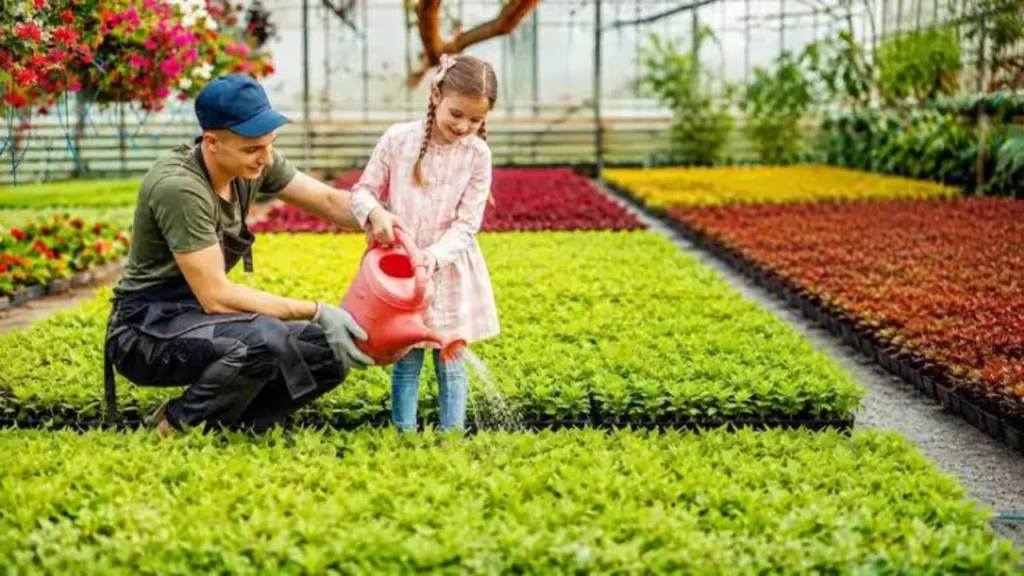
Watering is an important part of garden care, but more water does not always mean healthier plants. Different plants need different amounts of water based on their type, soil, weather, and stage of growth.
New plants usually need more attention while they establish their roots. Established plants may require much less additional water, depending on local conditions.
Water slowly and deeply so moisture reaches the root zone. Morning is generally a useful time for watering because it reduces evaporation and allows plants to use water during the day.
| Garden Task | Simple Practice |
|---|---|
| New plants | Water thoroughly while roots establish |
| Established plants | Check soil before watering |
| Containers | Check moisture more often |
| Dry weather | Water deeply when plants show stress |
| Lawns | Water new lawns regularly during establishment |
| Vegetable beds | Maintain suitable soil moisture |
Avoid following a fixed watering schedule without checking the actual soil. Weather and soil conditions can change quickly.
Use Mulch to Protect Garden Soil
Mulch can provide both practical and decorative benefits. Organic mulch can help reduce water loss, suppress weeds, and add organic matter as it breaks down.
Apply mulch around plants while leaving suitable space around plant stems. A neat layer can also make flower beds look more organized.
Mulching works especially well when combined with good plant selection and healthy soil. The RHS identifies mulching as one way to conserve moisture and reduce the need for frequent watering.
Add Natural Garden Decorations
Garden decorations can give an outdoor area more personality. You can use stones, planters, simple sculptures, wooden features, bird-friendly elements, or decorative pots.
Try to match decorations with the style of your home. A modern home may suit simple geometric features, while a traditional property may work well with natural materials.
Do not fill every empty space with decorations. A few carefully selected features often create a cleaner and more attractive result.
Create a Wildlife-Friendly Garden
A garden can become more useful when it supports birds, insects, and pollinators. Choose plants that provide flowers, shelter, seeds, or other resources for wildlife.
A mixture of suitable plants can increase garden biodiversity while creating visual interest. Sustainable planting can also reduce the need for extra water and fertilizers when plants match their growing conditions.
You can add native or locally suitable plants, shallow water sources, and areas with natural cover. Avoid making every part of the garden overly formal if you want to encourage wildlife.
Follow Seasonal Garden Maintenance
Regular maintenance keeps a garden healthy and attractive. However, you do not need to complete every task every week.
During spring, focus on preparing beds, removing weeds, planting suitable plants, and checking damaged growth. Summer often requires closer attention to watering and heat stress. Autumn can be useful for clearing selected debris, improving soil, and preparing plants for colder weather.
Winter is a good time to review your garden plan and decide which areas need improvement. Seasonal work can prevent small problems from becoming larger ones.
Make Your Garden More Water Efficient
Water conservation can help reduce waste while keeping plants healthy. One of the decoradhouse garden tips by decoratoradvice approaches is to combine suitable plants with good soil and efficient watering.
Collecting rainwater can provide an additional water source for many garden tasks. Mulching can also reduce moisture loss from soil.
Choosing plants that naturally tolerate your local conditions can reduce the need for additional watering. The RHS recommends matching plants to their growing conditions and improving soil to support better water use.
Create a Simple Garden Color Scheme
Color can strongly influence how a garden feels. You can choose a single main color and combine it with green foliage for a calm appearance.
Alternatively, use two or three complementary colors to create a more lively design. Consider flowers, containers, furniture, walls, and accessories together instead of choosing each item separately.
Green foliage should remain an important part of the design because it creates a natural background for flowers and decorative features.
Keep the Garden Organized
An organized garden usually feels more comfortable and attractive. Keep pathways clear and place furniture where it does not block movement.
Group similar plants together instead of spreading them randomly across the entire space. Keep containers arranged in simple groups and remove broken or unused decorations.
A clean garden does not need to look empty. Good organization allows plants and decorative features to become the main focus.
Conclusion
Creating a beautiful garden does not require expensive materials or professional landscaping skills. Good planning, suitable plants, healthy soil, smart watering, and simple decoration can produce impressive results.
The main lesson from decoradhouse garden tips by decoratoradvice is to design the garden around its actual conditions. Check sunlight, soil, drainage, available space, and maintenance time before making major changes.
Use containers when space is limited, add vertical planting to small areas, and choose comfortable seating for relaxation. Add lighting carefully so the garden remains useful after sunset without creating unnecessary brightness.
Pingback: Latest News DecoratorAdvice.com Decor and Design Updates