Decorating a home does not always require expensive furniture or major changes. Small improvements in color, lighting, furniture placement, and accessories can make a room feel fresh and welcoming. Modern decorating also focuses on comfort and function instead of adding too many objects.
If you want practical decoration tips decoradhouse, start by looking at the space you already have. Think about how your family uses each room, what feels uncomfortable, and which areas need better organization. A thoughtful decorating plan can help you create a home that looks attractive while remaining easy to use.
What Are Decoration Tips DecoradHouse?
Decoration tips decoradhouse focus on simple ways to improve the look and feel of a home. These ideas can include choosing suitable colors, arranging furniture, improving lighting, adding plants, and reducing clutter. Good decoration should support everyday life rather than make a room difficult to use. A beautiful room should still provide enough space for walking, sitting, working, relaxing, and storing everyday items.
You do not need to follow every popular trend about decoratoradvice .com. Instead, choose ideas that match your personality, lifestyle, home size, and budget. This approach creates a more personal and lasting interior.
Start With a Clean and Organized Space
Before buying new decorations, clean and organize the room. Clutter can make even a beautifully designed room look crowded and uncomfortable.
Remove objects that you no longer use and organize the things that you need regularly. Keep surfaces such as coffee tables, shelves, and consoles simple.
You can use baskets, boxes, cabinets, and storage furniture to keep smaller items organized. This method makes decorations easier to notice because they do not compete with unnecessary objects.
Choose a Simple Color Scheme
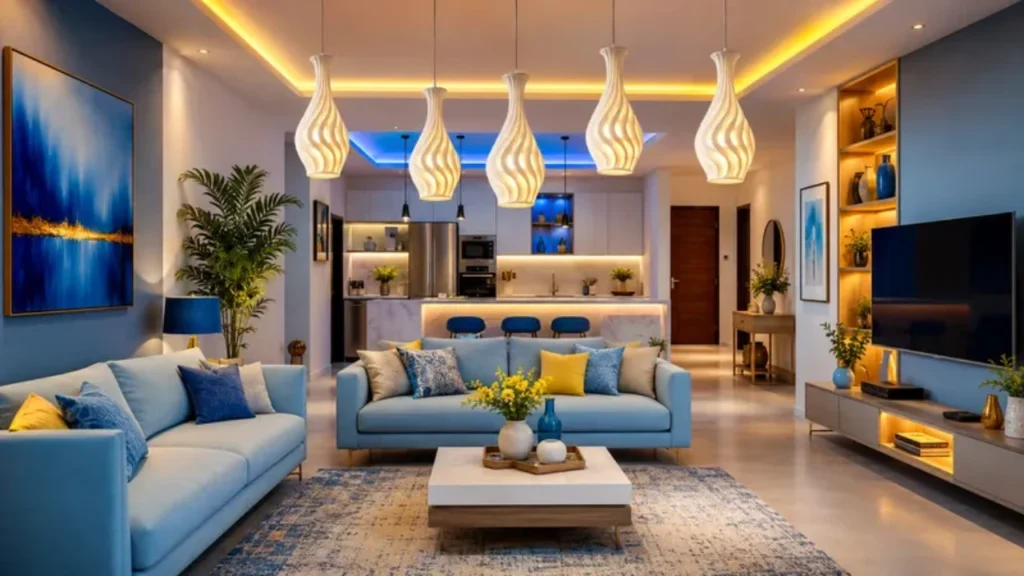
Color has a strong effect on the mood of a room. A simple color scheme can make your home look more connected and organized.
Start with two or three main colors that work well together. Neutral shades such as white, beige, cream, gray, and soft brown can create a calm background. You can then add stronger colors through cushions, artwork, curtains, rugs, or plants.
Avoid using too many unrelated colors in one small room. A limited palette usually creates a cleaner appearance and makes it easier to change accessories later.
| Room | Suitable Color Approach | Decoration Ideas |
|---|---|---|
| Living Room | Warm neutral colors | Cushions, rugs, artwork |
| Bedroom | Soft and calming colors | Bedding, curtains, lamps |
| Kitchen | Light and fresh colors | Cabinets, plants, accessories |
| Bathroom | White or natural shades | Towels, baskets, mirrors |
| Entryway | Simple warm tones | Mirror, table, artwork |
Arrange Furniture for Better Movement
Furniture placement can completely change how a room feels. Always leave enough open space for people to move comfortably around the room.
Do not push every piece of furniture against the wall simply because the room has empty corners. Instead, create useful seating groups around a central feature such as a coffee table, television, fireplace, or window.
Measure your room before buying large furniture. An oversized sofa can make a small room feel cramped, while very small furniture can look lost in a large space. Designers also recommend considering furniture scale and clear walking paths when planning a room.
Improve Lighting in Every Room
Lighting is one of the easiest ways to change the atmosphere of your home. A room with only one strong ceiling light can sometimes feel cold or flat.
Use different types of lighting to create depth. Combine ceiling lights, floor lamps, table lamps, wall lights, and natural daylight where possible.
Warm lighting can make living rooms and bedrooms feel more comfortable during the evening. You can also place a lamp near a reading chair, desk, or dark corner to improve both function and appearance.
Add Plants and Natural Elements
Plants can make a room feel fresh and lively. You do not need a large collection of plants to create this effect.
Natural materials such as wood, woven baskets, stone, cotton, and linen can also add warmth. These materials help prevent a room from looking too plain or artificial.
Current interior design advice often recommends natural materials and personal elements because they can create a timeless look instead of relying completely on short-lived trends.
Use Wall Decor Carefully
Empty walls can make a room feel unfinished, but covering every wall with decorations can create visual clutter.
Choose artwork that reflects your taste. Family photographs, paintings, posters, mirrors, and handmade pieces can all work well when placed thoughtfully.
When creating a gallery wall, keep some connection between the frames. Similar colors, shapes, or materials can make different pieces look like part of one collection.
Make the Living Room Comfortable
The living room usually becomes one of the most active areas of a home. Family members relax there, guests visit, and people may watch television or read.
For this reason, comfort should come before decoration. Choose seating that provides enough support and arrange it so people can easily talk with one another.
Simple updates such as rearranging furniture, changing pillows, improving lighting, and adding plants can refresh a living room without requiring a complete makeover.
Decorate the Bedroom for Rest
A bedroom should feel peaceful rather than crowded. Use soft colors, comfortable bedding, and simple accessories to create a relaxing environment.
Curtains can also affect the bedroom atmosphere. Choose a style that provides the privacy you need while matching the room’s color scheme.
Keep technology and unnecessary objects organized so the bedroom feels like a place for rest rather than another busy workspace.
Use Mirrors to Improve Small Spaces
Mirrors can be useful in small rooms because they reflect light and create the feeling of greater visual space.
Place a mirror where it can reflect a window, attractive artwork, or another interesting part of the room. Avoid placing it where it reflects clutter.
A large mirror can become a decorative focal point, while several smaller mirrors can create an artistic display. Choose frames that match your overall interior style.
Try Budget-Friendly Decoration
You do not need a large budget to improve your home. One of the best decoration tips decoradhouse is to use what you already own before buying new items.
Move artwork from one room to another. Change cushion covers, rearrange books, move plants, or place a different lamp in a new location.
You can also update a room with inexpensive accessories such as baskets, candles, vases, throws, and framed prints. Changing small items can create a noticeable difference without replacing major furniture.
| Low-Cost Update | Possible Result |
|---|---|
| Change cushion covers | Fresh sofa appearance |
| Rearrange furniture | Better room flow |
| Add a rug | More warmth and definition |
| Add plants | Natural and fresh feeling |
| Change lamps | Better atmosphere |
| Rearrange artwork | New visual focus |
| Declutter surfaces | Cleaner appearance |
Avoid Too Many Decoration Trends
Trends can provide inspiration, but you do not need to copy every new style. A home can quickly look dated when it depends too heavily on temporary trends.
Choose classic furniture for major purchases and use smaller accessories to experiment with current styles. This makes it easier and cheaper to update your home later.
The best decoration tips decoradhouse encourage homeowners to create spaces that reflect their own personality instead of simply copying a showroom.
Create Balance With Decorative Accessories
Accessories work best when you arrange them with purpose. Do not fill every empty shelf or table simply because there is available space.
Leave some empty space around your decorations. Negative space helps important objects stand out and prevents the room from feeling crowded.
This simple approach can make shelves, coffee tables, and cabinets look more organized without requiring expensive accessories.
Common Decoration Mistakes to Avoid
Some decorating mistakes can reduce both comfort and visual appeal. The most common problem is adding too many items without considering the room’s size.
Another mistake involves choosing furniture without measuring the available space. Always check measurements before buying large furniture.
Poor lighting can also make a good design look less attractive. Try using multiple light sources instead of depending only on one ceiling fixture.
Finally, avoid choosing colors, furniture, and accessories that have no connection with one another. A simple color palette and repeated materials can create a more cohesive appearance.
Final Thoughts
Good home decoration does not require a huge budget or professional design skills. The best results come from thoughtful choices, good organization, suitable lighting, comfortable furniture, and personal details.
The most useful decoration tips decoradhouse begin with understanding your space. Clean and organize first, then consider color, furniture arrangement, lighting, textures, plants, and accessories.
Start with one room instead of changing your entire home at once. Make small improvements, observe what works, and continue gradually.
Pingback: DecoratorAdvice .com Partners Useful for Brand Designers