
Feng Shui can feel confusing when you first learn about it, especially when you see many different rules online. The basic idea is simple: create a home that feels balanced, comfortable, organized, and connected to its surroundings. Traditional Feng Shui focuses on the relationship between people and their environment, including ideas about qi, balance, and the five elements.
This interiordatips decoratoradvice daexperts for fengshui newbies explains beginner-friendly ways to bring Feng Shui ideas into your home. You do not need expensive furniture or a complete home makeover. Small changes in furniture placement, lighting, colors, and clutter can make a room feel more peaceful and welcoming.
What Is Feng Shui in Interior Design?
Feng Shui is a traditional Chinese practice that focuses on creating harmony between people and their surroundings. The word Feng Shui means “wind” and “water,” and the practice has historical connections with Chinese philosophical traditions.
In interior design, Feng Shui often focuses on how furniture, doors, windows, colors, materials, and open spaces work together. The goal is to create an environment that feels balanced and supportive.
You can still use its ideas as a practical way to think about comfort, organization, and visual balance. For readers exploring related home and lifestyle topics, world of keluaran germany decoratoradvice can also provide another perspective on how different ideas and trends can influence modern interior spaces.
Start With Decluttering Your Home
Decluttering is one of the easiest ways to begin. A crowded room can make movement difficult and may make the space feel stressful. Removing unnecessary items can make furniture arrangements clearer and give the room more breathing space.
Start with one room rather than trying to change the entire house. Look at tables, shelves, floors, wardrobes, and areas behind doors. Remove items that you no longer use or that make the room feel crowded.
| Area | Beginner Action | Design Benefit |
|---|---|---|
| Entryway | Remove unnecessary shoes and boxes | Creates a cleaner welcome |
| Living room | Clear crowded surfaces | Makes the room feel larger |
| Bedroom | Remove unused items | Creates a calmer atmosphere |
| Home office | Organize cables and papers | Supports a focused workspace |
| Kitchen | Clear unused counters | Improves practical movement |
Create a Balanced Furniture Layout
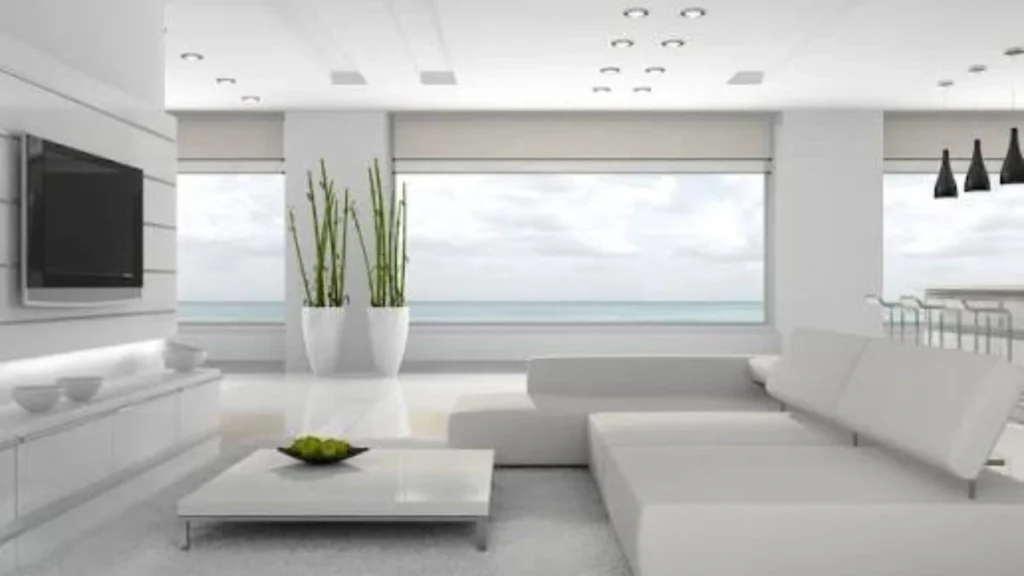
Furniture placement plays an important role in Feng Shui. Instead of pushing every item against a wall, think about how people will walk through the room.
Leave enough space between major furniture pieces. A sofa should not block a doorway, and a large cabinet should not make a narrow pathway even smaller.
Interiordatips DecoratorAdvice DAExperts for Feng Shui Newbies is commanding position. It generally means placing important furniture where you can see the room’s entrance without sitting directly in line with the doorway. Beds, desks, and stoves are commonly discussed in relation to this principle.
Pay Attention to Your Main Entrance
The entrance creates the first impression of your home. Feng Shui places special attention on this area because traditional practice considers the front door an important point for the movement of qi.
Keep the entrance clean, well maintained, and easy to walk through. Avoid allowing shoes, bags, packages, and other objects to pile up near the doorway.
Good lighting can also improve the appearance of an entrance. If the area feels dark, consider adding a suitable lamp or improving the existing lighting.
Use Natural Light and Fresh Air
Natural light can make almost any interior feel brighter and more comfortable. Open curtains during the day when practical, and avoid blocking windows with large furniture.
Fresh air can also help a room feel less closed. Open windows when weather and air quality allow it, and keep ventilation areas clear.
Interiordatips DecoratorAdvice DAExperts for Feng Shui Newbies connects homes with the natural environment, while modern interior design also recognizes the importance of daylight and comfortable ventilation. These ideas can work together without requiring complicated changes.
Understand the Five Feng Shui Elements
One of the main Feng Shui concepts involves five elements: wood, fire, earth, metal, and water. These elements are traditionally used as symbolic categories when thinking about balance within a space. You can represent these ideas through colors, shapes, materials, and decorative objects.
| Element | Common Associations | Interior Examples |
|---|---|---|
| Wood | Growth and vitality | Wooden furniture, plants, green tones |
| Fire | Energy and warmth | Candles, lighting, red accents |
| Earth | Stability and grounding | Ceramics, stone, earthy colors |
| Metal | Clarity and structure | Metal frames, white or gray tones |
| Water | Flow and reflection | Dark colors, reflective surfaces |
You do not need to add every element equally to every room. Instead, use these categories as inspiration for creating a varied and visually balanced interior.
Make Your Bedroom Calm and Comfortable
The bedroom deserves special attention because you spend many hours there. Begin by creating a clear walking path around the bed and removing unnecessary objects.
Traditional Feng Shui commonly recommends placing the bed in a commanding position where the doorway remains visible while lying down. A stable headboard is also often recommended because it creates a stronger visual sense of support.
Avoid turning the bedroom into an office, storage room, or entertainment center if you want a more restful atmosphere. A simple bedroom with less visual clutter can feel more peaceful and easier to maintain.
Use the Bagua Map as a Beginner Tool
The Bagua map is another well-known Feng Shui tool. It divides a space into nine areas connected with different themes, including career, relationships, wealth, knowledge, and health.
Interiordatips DecoratorAdvice DAExperts for Feng Shui Newbies Different schools use the Bagua in different ways. Some approaches use compass directions, while others align the map with the entrance of a home. A Bagua map can be useful as a design planning exercise. For example, you might use a certain area of your home for reading, reflection, plants, family photographs, or other meaningful objects.
Add Plants for Natural Energy
Plants can bring natural textures and color into an interior. They can also soften rooms that contain many hard surfaces such as glass, metal, and polished furniture.
Choose plants based on the actual conditions of your home. Consider sunlight, temperature, humidity, available space, and how much care the plant needs. Interiordatips DecoratorAdvice DAExperts for Feng Shui Newbies sources often discuss plant placement in relation to different Bagua areas. However, a plant should remain healthy and suitable for its environment.
Keep Your Home Free From Broken and Unused Items
A practical approach to interiordatips decoratoradvice daexperts for fengshui newbies is to regularly check the condition of household items.
Broken clocks, damaged furniture, dead plants, unused appliances, and piles of old paperwork can make a room look neglected. Repair useful items when possible and remove things that no longer serve a purpose.
This approach does not require you to throw away meaningful possessions. Instead, ask whether each item has a useful, emotional, or decorative purpose. A home should reflect the people who live there. Feng Shui does not have to mean creating a room that looks empty or artificial.
Improve Your Living Room With Simple Changes
The living room should support conversation, relaxation, and movement. Arrange seating so people can comfortably communicate instead of forcing every chair toward a television.
Keep the main walking paths open. Use rugs, lighting, cushions, artwork, and plants to add warmth without creating excessive visual clutter. You can also create a clear focal point, such as a fireplace, artwork, window view, or attractive piece of furniture. This gives the room a stronger visual structure.
Comfort should always remain important when applying Feng Shui ideas. A beautiful chair is not useful if nobody wants to sit in it.
Feng Shui Tips for a Home Office
A home office can benefit from the same command-position idea used in other rooms. Place your desk where you can see the entrance if the room allows it.
Keep the desk surface organized and remove papers that you no longer need. Good task lighting can make reading and computer work easier. Interiordatips DecoratorAdvice DAExperts for Feng Shui Newbies Try to separate work materials from relaxation areas when possible.
For interiordatips decoratoradvice daexperts for fengshui newbies, the main lesson is simple: your workspace should feel organized, comfortable, and easy to use.
How to Begin Feng Shui Without Spending Money?
You do not need a large budget to experiment with Feng Shui. Start by moving furniture, cleaning surfaces, opening curtains, organizing storage, and improving walking paths.
You can also reuse items you already own. Move a plant closer to suitable light, relocate a desk so the doorway is visible, or remove unnecessary decorations from a crowded shelf. Take photographs before and after each change. This can help you see whether the room actually looks more balanced.
Final Thoughts
Feng Shui offers a traditional way to think about how people interact with their surroundings. Its concepts include qi, balance, the five elements, commanding positions, and Bagua areas.
For beginners, there is no need to redesign the entire home overnight. Start with decluttering, comfortable furniture placement, good lighting, natural elements, and clear pathways. The most useful lesson from interiordatips decoratoradvice daexperts for fengshui newbies is to create a space that feels organized and supportive.
Pingback: Home DecoratorAdvice Exterior Archives Design Improvement